Hard water is water that carries a lot of dissolved calcium and magnesium. Rain falls soft. It picks up those minerals as it soaks through rock and soil. Australia measures the result in milligrams per litre, as calcium carbonate.
The national guideline sits at 200 mg/L. This guide covers what hard water is and which minerals make it hard. It also covers where they come from and how the Australian scale reads.
What makes water hard?
Calcium and magnesium make water hard. Both dissolve out of rock while water moves underground. Water collects more of them the longer it stays down there. A lab reports the total as milligrams per litre of calcium carbonate. A bigger number means more minerals, and harder water at your tap.
Soft water is the opposite. It holds few dissolved minerals, so soap foams fast and rinses clean. Our guide to the difference between soft and hard water sets out the full comparison.
Hardness says nothing about how clean your water is. It’s a mineral count, not a safety score.
How rainwater turns into hard water
Rain starts almost mineral-free. That changes the moment it hits the ground.
Water is a strong solvent. Carbon dioxide from the air and the soil makes it slightly acidic. That weak acid eats into soft rock as the water seeps down.
Limestone is calcium carbonate, so it gives up calcium fast. Chalk behaves the same way. Dolomite hands over calcium and magnesium together. Gypsum adds calcium sulfate.
Contact time matters as much as the rock. Two bores in the same rock can test far apart. Slow water dissolves more than fast water.
Groundwater against surface water
Your water source sets most of the number.
Surface water sits in dams, rivers and reservoirs. It touches rock for a short time only. Cities supplied that way usually get softer water. Melbourne and Sydney both sit in that group.
Groundwater comes from aquifers and bores. It travels through rock for years, sometimes for decades. It reaches the pump carrying a heavy mineral load.
Perth shows this best in Australia. Water Corporation draws a large share of the city’s supply from the Gnangara groundwater system. Those aquifers sit in sand, sandstone and limestone. Limestone is the exact rock behind hard water.
Hardness also changes from suburb to suburb inside one city. We list the figures city by city in our guide to Australia water hardness.
Temporary and permanent hardness
Hardness comes in two forms. The guidelines call them carbonate and noncarbonate hardness. Most people say temporary and permanent.
Temporary hardness comes from calcium bicarbonate. Boiling drives it out. The mineral drops onto the metal as limescale. That white crust on your kettle element is the proof.
Permanent hardness comes from calcium and magnesium sulfates. Boiling leaves those in the water. Filtration or ion exchange is the usual way to cut them.
Most Australian tap water holds both types. So boiling trims the number. It never solves the whole thing.
The Australian hardness scale
The Australian Drinking Water Guidelines give one figure for hardness. Total hardness, as calcium carbonate, should stay under 200 mg/L. That figure is about scale in hot water systems. It’s not a health limit.
The NHMRC sets out four bands:
| Total hardness (as calcium carbonate) | What the guidelines say |
|---|---|
| Under 60 mg/L | Soft, but possibly corrosive |
| 60-200 mg/L | Good quality |
| 200-500 mg/L | Increasing scaling problems |
| Over 500 mg/L | Severe scaling |
Watch the wording on other sites. The guidelines carry no “moderately hard” or “very hard” band. Plenty of pages show a 60/120/180 scale and credit it to the ADWG. That one is American, so it’s the wrong yardstick here.
SA Water puts the local line plainly. More than 200 milligrams per litre counts as hard water.
Calcium and magnesium do nearly all of the work. Strontium, iron, manganese and barium add a little on top.
What hard water does in your home
Hard water is a nuisance, not a danger.
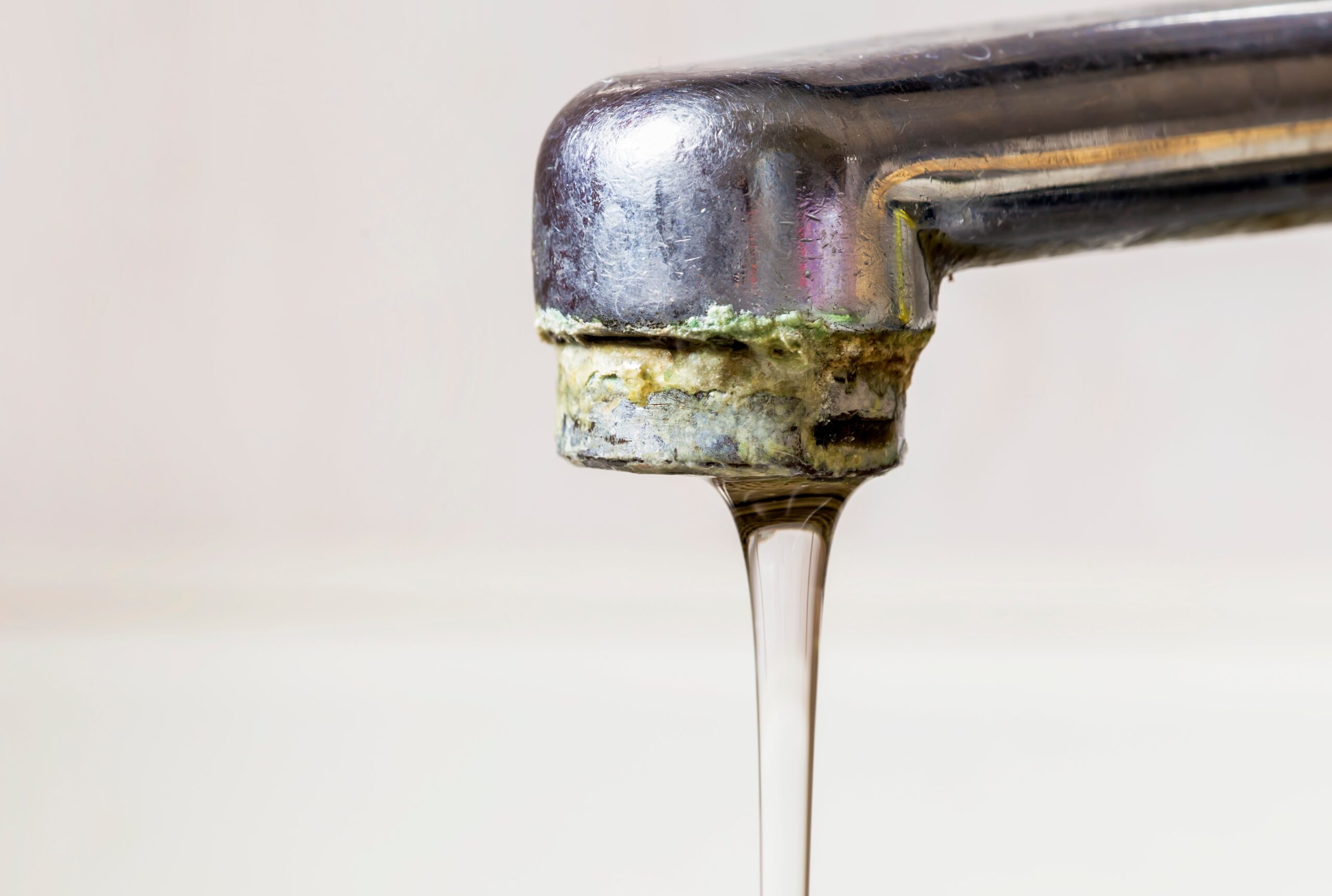
Limescale builds up on showerheads, taps, kettles and elements. Soap and shampoo lather badly, so you use more of both. Shower glass films over within days. Washing machines and dishwashers work harder and wear out sooner.
Skin and hair feel different after a shower in hard water. Some people call it a tight or squeaky feeling.
You can’t change the rock under your city. You can treat the water after it arrives. A shower filter improves water quality, and it isn’t a medical treatment.
Most people notice hard water in the shower, and that’s the easiest place to treat it. We treat it there with our hard water filters. Ours reduces chlorine, heavy metals and sediment. It also reduces calcium and magnesium. It may help limit limescale on the showerhead and fittings.
How to tell if your water is hard
Start with the signs around the house. White crust on the kettle. Cloudy spots on glasses from the dishwasher. Weak lather from soap and shampoo. A film on the shower screen a day after cleaning.
Signs give you a hint. A number gives you an answer. You can run a soap test for hard water at home with a test strip or the soap-shake method. Your water utility also publishes figures for each supply zone.
What is not a cause of hard water
Ion exchange gets blamed for hard water. It doesn’t cause hardness. It treats it.
An ion exchange softener swaps calcium and magnesium for sodium. The water leaves the unit softer and slightly saltier. Nothing in that process creates hardness.
Chlorine doesn’t make water hard either. Utilities dose chlorine to kill bugs in the pipes. It changes taste and smell, and some people find it dries skin and hair. It doesn’t move the mineral count.
Old pipes don’t cause it either. They can add metals, colour or taste. Hardness arrives with the water, straight from the ground.
Is hard water bad for you?
Hard water is safe to drink. The 200 mg/L guideline is an aesthetic one, not a health limit. The trouble it causes is practical. Limescale coats your fittings, soap won’t lather, and appliances wear faster. Some people notice drier skin and rougher hair after showering in it.
Hardness isn’t the only thing in your shower water. Chlorine sits in there too, in every chlorinated supply. That’s why filtering at the shower can help in soft-water cities as well.
Hard water starts underground, so nobody can stop it at the source. You can still treat it at the point you feel it. See our POWERBOX hard water filters for Australian homes.
Last reviewed September 2026 by Lena Hartman
Hard water is a household and aesthetic issue, not a medical one. A shower filter improves water quality. It’s not a medical treatment for eczema or any skin condition. If you have a diagnosed skin condition, consult a dermatologist.
Frequently asked questions
Why is Perth water hard?
Perth takes a large share of its supply from groundwater. The Gnangara aquifers sit in sand, sandstone and limestone. Water moves through that limestone for years and dissolves calcium along the way. Cities that draw mainly from surface dams end up with softer water than Perth.
Does boiling water remove hardness?
Boiling removes temporary hardness only. Calcium bicarbonate drops out as limescale. You see it as the crust inside your kettle. Permanent hardness comes from sulfates, and boiling leaves every bit of it behind. Most Australian tap water holds both types, so boiling trims the number without fixing it.
Is hard water the same as dirty water?
No. Hard water is clean water with natural minerals dissolved in it. Your utility still treats and disinfects the supply before it reaches you. Hardness only changes how water behaves with soap and with heat. It tells you nothing about bacteria or about safety.